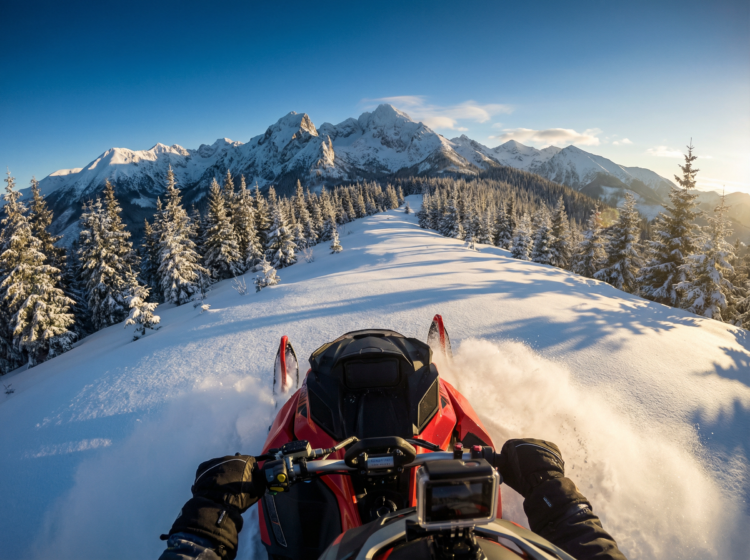
The roar of a snowmobile engine echoes through pristine mountain valleys. Fresh powder kicks up behind you as you navigate through ancient forests and across open alpine meadows. This could be Tyrol or Salzburg, but it’s not. Welcome to Zakopane, Poland’s winter sports capital, where snowmobiling experiences match—and often exceed—what you’ll find in the legendary Austrian Alps.
Poland’s Tatra Mountains have quietly transformed into Central Europe’s premier snowmobiling destination. While the Austrian Alps continue to dominate winter sports marketing, savvy adventurers are discovering that Zakopane offers something special: authentic mountain culture, world-class terrain, and prices that won’t empty your wallet. The question isn’t whether Zakopane can compete with Austria anymore. It’s why more people haven’t discovered this alpine treasure yet.
The Tatra Mountains: Poland’s Alpine Treasure
Geography and Natural Features
The Tatra Mountains stand as the highest peak in the Carpathian range, creating a natural border between Poland and Slovakia. This unique geological position gives the region characteristics that mirror the classic Alps while maintaining distinct personality.
Snow quality here rivals anything you’ll experience in Austria. The season runs reliably from November through April, with peak conditions typically occurring between January and March. The mountains receive abundant snowfall due to their position as the first major elevation barrier for weather systems moving across Central Europe. Average snow depths regularly exceed 100 centimeters in prime snowmobiling zones.
Climate patterns in the Tatras share similarities with Austria’s Tyrol region—cold, snowy winters with crisp, clear days interspersed with heavy snowfall. However, the Tatras tend to maintain more stable conditions throughout the season, with fewer rain disruptions than some lower-elevation Austrian resorts face during warm spells.
Zakopane: The Winter Capital of Poland
Zakopane’s story as a mountain resort began in the 19th century when Polish intellectuals and artists discovered the region’s natural beauty and healing mountain air. Today, the town has evolved into a sophisticated winter sports hub while retaining its authentic highland character.
Infrastructure improvements between 2020 and 2026 have revolutionized accessibility. The road network connecting Zakopane to Krakow has been upgraded, cutting travel time significantly. New rental facilities, modern safety equipment stations, and professional guide services now operate at international standards.
The town welcomes over 3 million visitors annually, with winter tourism showing consistent 8-10% year-over-year growth. Despite these numbers, Zakopane maintains a distinctly non-commercialized atmosphere compared to Austria’s major resorts.
The góral (highlander) culture remains vibrant and genuine. You’ll encounter it in the architecture, food, music, and local dialect—not as a manufactured tourist attraction, but as living tradition.
Protected Natural Environment
Tatra National Park encompasses much of the region, implementing strict conservation measures to protect this unique ecosystem. Snowmobiling operates within carefully designated zones that balance recreational access with environmental preservation.
Trail systems are precisely mapped and regularly maintained. Unlike some wilderness snowmobiling areas, Zakopane’s routes are designed to minimize environmental impact while maximizing your experience. Park regulations ensure that noise pollution is controlled and wildlife habitats remain undisturbed.
This structured approach means you get clearly marked trails, regular grooming, and consistent conditions—advantages that wild backcountry riding can’t match.
Zakopane Snowmobiling Experience vs. Austrian Alps
Trail Systems and Terrain Diversity
Zakopane offers over 150 kilometers of designated snowmobiling trails, ranging from gentle forest paths perfect for beginners to challenging mountain routes that test experienced riders. The variety compares favorably with Tyrol and Salzburg region offerings.
Forest trails wind through ancient spruce and pine groves, creating cathedral-like corridors where sunlight filters through snow-laden branches. Open mountain passages provide heart-pumping speed runs with 360-degree Tatra panoramas. Ridge routes deliver that alpine high you’re seeking—exposure, elevation, and views that stretch into Slovakia.
Austrian resorts typically focus on groomed tourism routes with predictable terrain. Zakopane balances prepared trails with more adventurous options, giving you choices that match your skill level and appetite for excitement.
Cost and Value Proposition
Here’s where Zakopane truly distinguishes itself. A guided two-hour snowmobile tour in Zakopane averages €80-120 per person in 2026, including equipment rental, professional guide, and often additional perks like hot drinks or traditional meals.
Comparable experiences in Austrian Alps resorts run €150-250 per person for similar duration and services. Equipment rental alone can cost €100-150 daily in Austria before adding guide fees.
Accommodation differences are equally striking. A comfortable three-star hotel in Zakopane costs €50-80 nightly. The Austrian equivalent? €120-200. Four-star properties in Zakopane (€90-140) compete quality-wise with Austrian options priced at €200-350.
Multi-day packages amplify these savings. A three-day snowmobiling adventure with accommodations, meals, and guided tours runs approximately €350-500 in Zakopane versus €800-1200 in Austria. That’s premium experiences at mid-range prices.
Accessibility and Convenience
Krakow John Paul II International Airport serves as Zakopane’s primary gateway, located just 2 hours away by car or bus. Direct flights connect Krakow to over 100 European cities, making access straightforward for international visitors.
Transportation options include:
- Private transfers (€50-80 for 4 passengers)
- Regular bus services (€10-15 per person)
- Rental cars (from €30 daily)
Austrian Alpine resorts often require connections through larger hubs like Munich, Vienna, or Salzburg, followed by additional transfers to mountain destinations. Total travel time from major European cities frequently matches or exceeds Zakopane’s accessibility.
For EU citizens, border crossing is seamless—Poland’s Schengen membership eliminates visa complications. Non-EU visitors face identical requirements whether visiting Poland or Austria.
Rental facilities in Zakopane have modernized dramatically. You’ll find well-maintained fleets of current-model snowmobiles, professional-grade safety equipment, and guides certified under European standards. Many operators speak English, German, and other major languages.
Quality of Experience
Tour operator professionalism in Zakopane has reached international standards. Guides undergo rigorous certification, including wilderness first aid, mountain safety protocols, and technical snowmobile operation training.
Equipment quality matches or exceeds Austrian standards. Major operators maintain fleets of Ski-Doo, Polaris, and Yamaha machines less than three years old. Safety equipment includes helmets with communication systems, avalanche beacons for high-altitude routes, and GPS tracking.
Safety records are excellent. The structured trail system, mandatory guide requirements, and strict weather protocols minimize risks. Emergency response times benefit from Zakopane’s compact geography—mountain rescue services can reach any trail point within 20-30 minutes.
Customer satisfaction ratings tell the story: Zakopane snowmobiling operators average 4.7-4.9 stars across major review platforms, with visitors consistently praising value, guide expertise, and experience quality.
The Cultural and Experiential Advantage
Authentic Mountain Culture
Góral culture provides what Austrian resorts have largely lost to commercialization: genuine mountain tradition woven into daily life. The distinctive wooden architecture, called Zakopane Style, reflects centuries of highland adaptation. Traditional oscypek (smoked sheep cheese) comes from actual shepherd communities, not tourist factories.
Mountain lodges serve authentic highlander cuisine—hearty dishes like kwaśnica (sauerkraut soup), moskole (potato dumplings), and grilled oscypec. These aren’t menu items designed for tourists; they’re what locals actually eat.
Winter evenings bring folk music performances featuring traditional instruments like the gajdy (bagpipes) and złóbcoki (decorative fiddles). During carnival season, you might encounter colorful góral wedding reenactments or folk dance performances.
Austrian resorts offer polish and efficiency, but often at the cost of authenticity. Zakopane gives you both quality and cultural immersion.
Crowd Levels and Exclusivity
Tourist density represents another Zakopane advantage. While popular, the area handles visitors across multiple valleys and trail systems. You won’t encounter the lift lines, trail congestion, or resort overcrowding common in Austrian hotspots during peak season.
Booking flexibility remains high even in January and February—Zakopane’s busiest months. Most operators can accommodate same-day or next-day reservations, something increasingly rare in Austria’s major resorts.
Private tour options are both available and affordable. Dedicated guide services for your group cost €200-350 for half-day experiences, compared to €500-800 in Austria. This makes exclusive, customized adventures accessible rather than luxury-only propositions.
The “undiscovered gem” factor matters if you value experiences before mass tourism transforms them. Zakopane won’t stay under the radar forever—visiting now means experiencing it while it retains authentic character.
Additional Activities and Combined Experiences
Snowmobiling integrates beautifully with Zakopane’s broader winter offerings. The same mountains host excellent skiing (Kasprowy Wierch, Gubałówka), ski touring, and snowshoeing. Many visitors combine snowmobiling with these complementary activities.
Thermal spa facilities dot the region, capitalizing on natural hot springs. After a day on the trails, soaking in 36°C mineral-rich waters while snow falls around you provides perfect recovery. Major facilities include Terma Bania and Aqua Park Zakopane.
Cultural attractions include the Tatra Museum, historic wooden churches, and Krupówki Street’s pedestrian zone with traditional crafts and mountain products. A comprehensive package might include for combining multiple experiences in one day.
Multi-day itineraries often combine Zakopane with Krakow exploration—UNESCO World Heritage medieval city, Wieliczka Salt Mine, and Auschwitz-Birkenau memorial. This cultural depth exceeds what single-purpose Austrian ski resorts typically offer.
Practical Considerations for Choosing Zakopane
Who Should Choose Zakopane Over Austria
Budget-conscious adventurers seeking premium experiences without premium prices find exceptional value here. You’re not compromising quality—you’re choosing a destination where your money stretches further.
Cultural travelers interested in authentic mountain traditions over international resort uniformity will appreciate Zakopane’s distinctive character. If you value local experience over brand-name recognition, this choice makes sense.
Eastern European travelers benefit from superior accessibility compared to Austrian Alps. For visitors from Poland, Czech Republic, Slovakia, Ukraine, and Baltic states, Zakopane often represents easier logistics.
Those seeking less crowded alternatives to mainstream destinations discover that Zakopane delivers comparable thrills without the masses.
Potential Drawbacks and Honest Assessment
Transparency matters when comparing destinations. English proficiency, while improving, varies more widely in Zakopane than in Austria’s international resorts. Major operators employ English-speaking staff, but you might encounter language barriers in smaller establishments.
Luxury accommodation options exist but are less extensive than Austria’s five-star resort portfolio. If you demand absolute top-tier lodging, Austrian options provide more choices.
International brand recognition favors Austria. Saying “I’m snowmobiling in the Austrian Alps” carries immediate cachet. “The Tatra Mountains” requires explanation for many audiences.
Weather variability and season reliability are comparable, not superior, to Austria. Both regions occasionally experience warm spells or inadequate snowfall, though modern grooming and snowmaking mitigate these issues.
Planning Your Zakopane Snowmobiling Trip
Optimal visiting periods: January through March offers peak conditions. February provides the sweet spot—deep snow, stable weather, and extended daylight compared to December or January.
Recommended tour operators maintain modern equipment and professional standards. KrakowDirect offers comprehensive packages https://krakowdirect.com/zakopane-snowmobile-quad-tour-with-bonfire-and-hot-springs/ connecting Krakow with Zakopane experiences, handling logistics so you focus on adventure.
Essential preparation includes:
- Warm, waterproof outer layers
- Insulated gloves (operators provide options if needed)
- Sunglasses or goggles for sun reflection off snow
- Camera or GoPro for capturing mountain panoramas
- Basic Polish phrases (operators provide English guidance)
Combination itineraries work brilliantly: 2-3 days in Krakow exploring history and culture, followed by 2-3 days in Zakopane for mountain adventures. This balance creates memorable trips that satisfy multiple interests.
The Future of Zakopane as a Snowmobiling Destination
Infrastructure investments continue through 2028, including expanded parking facilities, improved trail access points, and enhanced safety systems. Tourism authorities recognize snowmobiling’s growth potential and are supporting sustainable development.
Sustainability initiatives balance growth with conservation. Electric snowmobile pilot programs are testing quieter, zero-emission alternatives. Trail rotation systems prevent overuse of specific areas. Visitor education emphasizes environmental responsibility.
International marketing efforts are increasing Zakopane’s profile. Travel publications and adventure media are discovering what savvy visitors already know—this destination delivers world-class experiences.
Expert predictions suggest 20-30% growth in international snowmobiling visitors over the next five years. Prices will likely rise as demand increases, but the fundamental value proposition should remain superior to Austrian alternatives.
Making Your Decision: A New Alpine Alternative
Zakopane’s competitive advantages cluster around four pillars: cost efficiency without quality compromise, authentic cultural immersion, excellent accessibility, and professional operation standards. These aren’t minor differences—they’re substantial benefits that transform winter sports budgets and experiences.
The value of exploring emerging destinations before mass tourism transforms them can’t be overstated. Zakopane in 2026 offers what Austrian resorts provided decades ago: genuine mountain character, welcoming locals, and the thrill of discovery.
You don’t need to choose exclusively. Experience both destinations to form your own comparisons. But if your next winter adventure prioritizes authentic experiences, financial value, and escaping overcrowded tourist circuits, Zakopane deserves serious consideration.
Poland’s Tatra Mountains aren’t trying to imitate the Austrian Alps—they’re establishing their own identity as a legitimate rival offering distinct advantages. The question isn’t whether Zakopane can compete. It’s whether you’re ready to discover why so many adventurers are choosing this alpine alternative.
Start planning your Zakopane snowmobiling adventure today. Research operators, compare packages, and prepare for mountain experiences that will challenge your assumptions about where the best winter adventures actually happen. The Tatras are calling—answer before everyone else discovers what you’re about to experience.